Balloon Payment Car Loan: What It Is and How It Works
A balloon payment car loan means lower monthly payments now and one large final payment later. Here's how it works, a clear example, the pros and cons, and your options when the balloon is due.
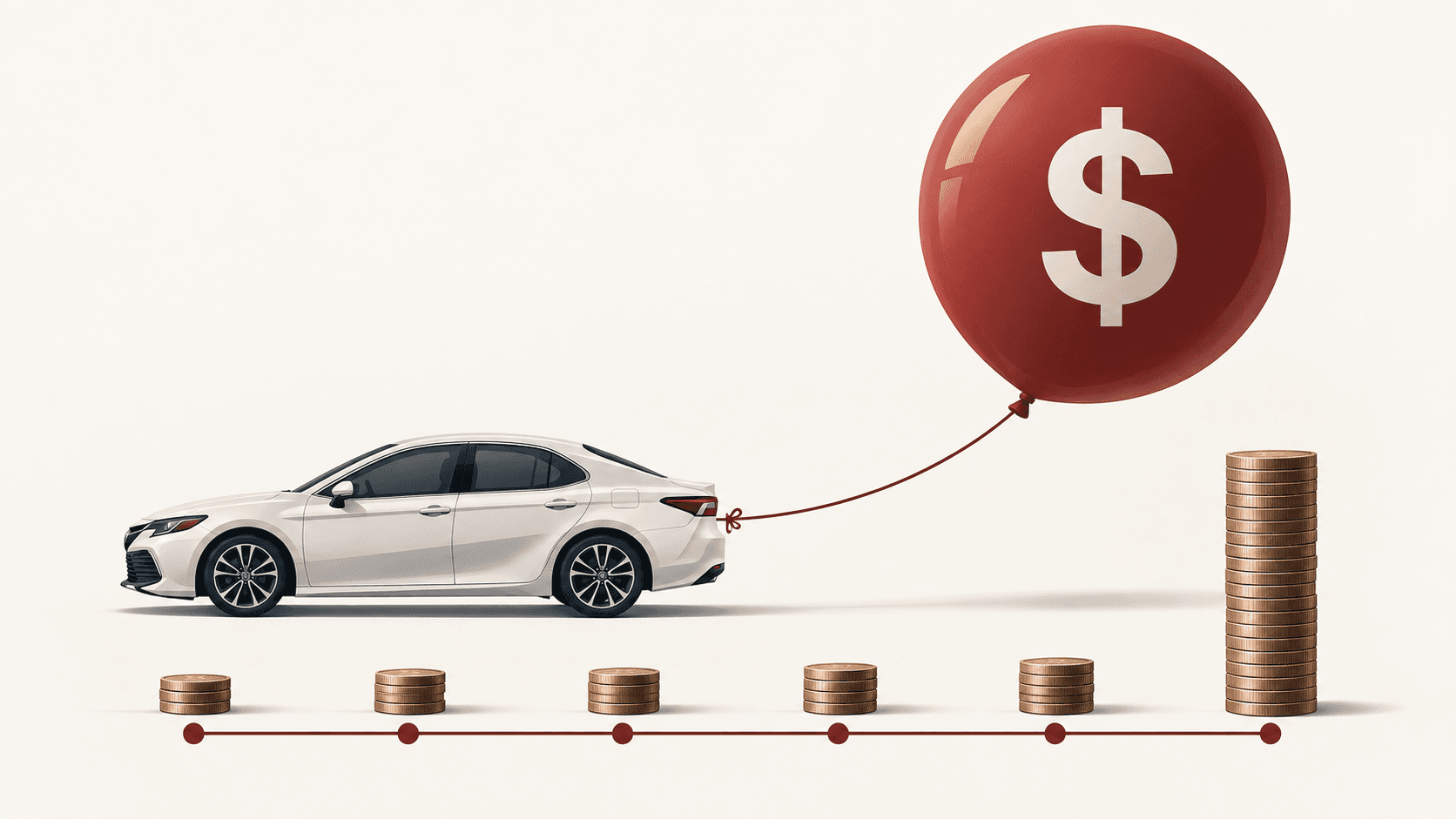
Some car loans advertise payments that look almost too good - a shiny new SUV for a couple hundred dollars a month. Often the reason is a balloon payment: you pay small amounts for a few years, then one large lump sum lands at the end. It can be a smart tool or a nasty surprise, depending on whether you understand it going in.
Here's exactly how a balloon payment car loan works, a real-number example, the pros and cons, and what your options are when that final payment comes due.
Quick answer: A balloon payment car loan lets you make lower monthly payments during the loan term, but you owe one large "balloon" payment - often thousands of dollars - when the loan ends. It's essentially deferring part of the car's cost to the finish line. Lower monthly cost is the upside; the big final bill (and the risk of owing more than the car is worth) is the downside.
What is a balloon payment?
A balloon payment is a single, oversized final payment due at the end of a loan. Instead of splitting the full amount you borrowed evenly across every month, the lender lets you pay smaller installments and pushes a big chunk of the balance to the very last payment.
The name fits: your regular payments stay small and steady, then the balance "balloons" into one large amount at the end. Balloon payments show up in car loans, some mortgages, and business loans. In a car loan specifically, that final payment might be 30% to 50% of the vehicle's original price.
How does a balloon payment car loan work?
A balloon car loan splits your total borrowing into two parts: the monthly installments and the final balloon.
- You agree on the balloon amount up front. The lender sets aside a portion of the car's price (often tied to its expected resale value) as the balloon, due at the end.
- You pay lower monthly installments. Because part of the balance is deferred, your monthly payments cover less of the principal — so they're smaller than on a standard loan.
- The balloon comes due at the end of the term. When the loan finishes (say, after 3–5 years), you owe that lump sum in full.
- You choose how to settle it. Pay it in cash, refinance it into a new loan, or in some agreements hand the car back or sell it to cover the amount.
The trade-off is simple: lower payments now in exchange for a large bill later. You're not avoiding the cost — you're delaying it, and usually paying interest on that deferred amount the whole time.
Balloon payment car loan example
Say you finance a $30,000 car over 5 years. Here's how a balloon structure compares to a standard loan (figures are illustrative and rounded to show the concept):
FeatureStandard 5-year loanBalloon loan Amount financed$30,000$30,000 Balloon (final payment)$0$12,000 Roughly monthly paymentHigherNoticeably lower Owed at the end$0$12,000 lump sum Total interest paidLowerUsually higher
In this example, deferring $12,000 to the end keeps your monthly payments lower for five years — but you still have to produce $12,000 (plus you've paid interest on that amount along the way). To model your own numbers, our auto loan calculator can show how monthly payments change when you adjust the amount financed.
Balloon loan vs. traditional car loan
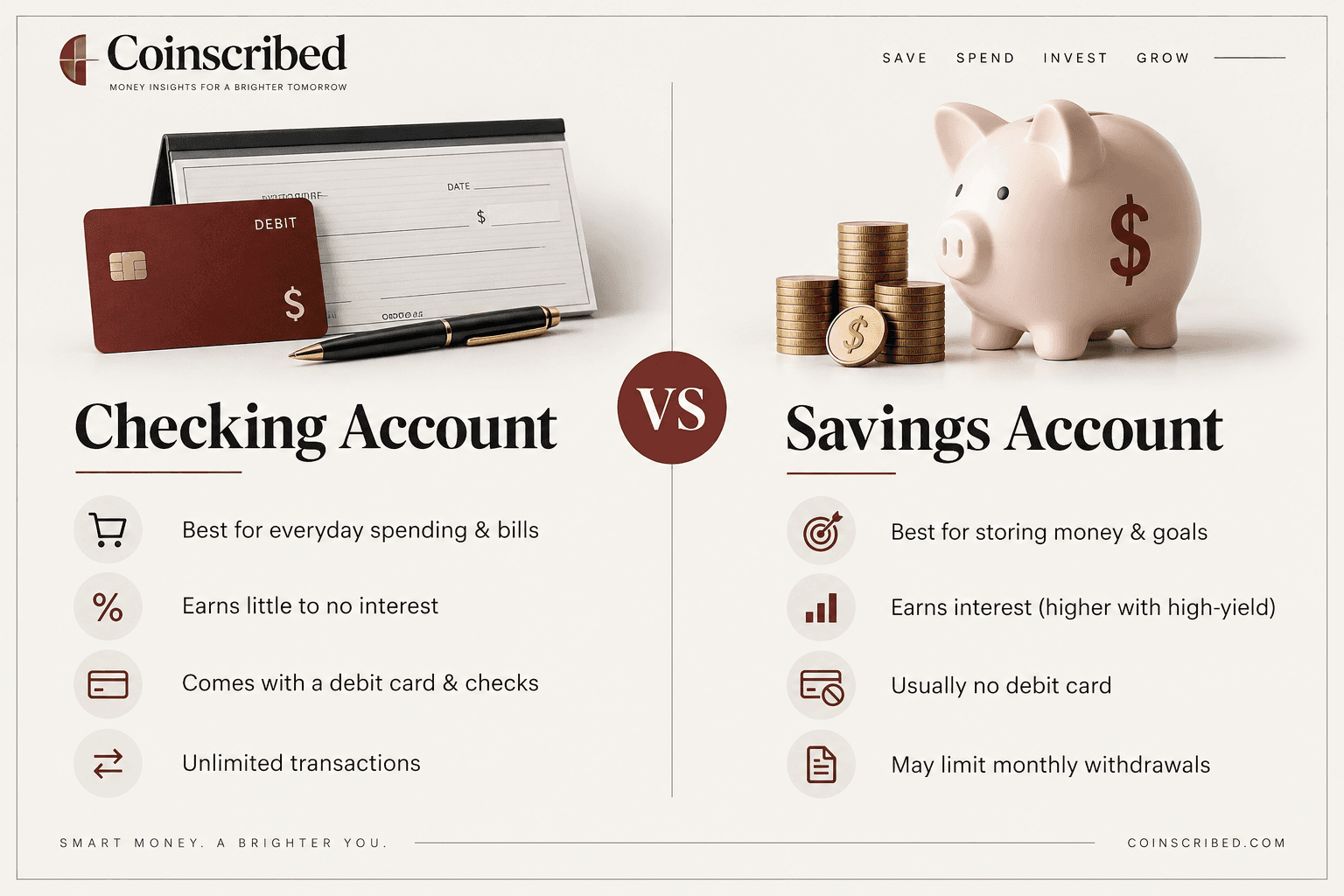
Balloon car loanTraditional car loan Monthly paymentLowerHigher Final paymentLarge lump sumSame as every other payment Total interestOften higherOften lower Ownership at endOnly after balloon is paidYou own it outright Risk of owing more than car's worthHigherLower Best forBuyers who want low payments and have a plan for the balloonBuyers who want a clean, predictable payoff
Are balloon payment car loans a good idea?
It depends entirely on your plan for that final payment. They can make sense in specific situations and backfire in others.
Potential upsides
- Lower monthly payments free up cash flow month to month.
- Flexibility if you expect a lump sum (bonus, sale of another asset) around the loan's end.
- Access to a nicer vehicle than a standard loan payment might allow.
The risks
- The big bill still arrives. If you can't pay or refinance the balloon, you can end up scrambling.
- Higher total interest because you're carrying more principal for longer.
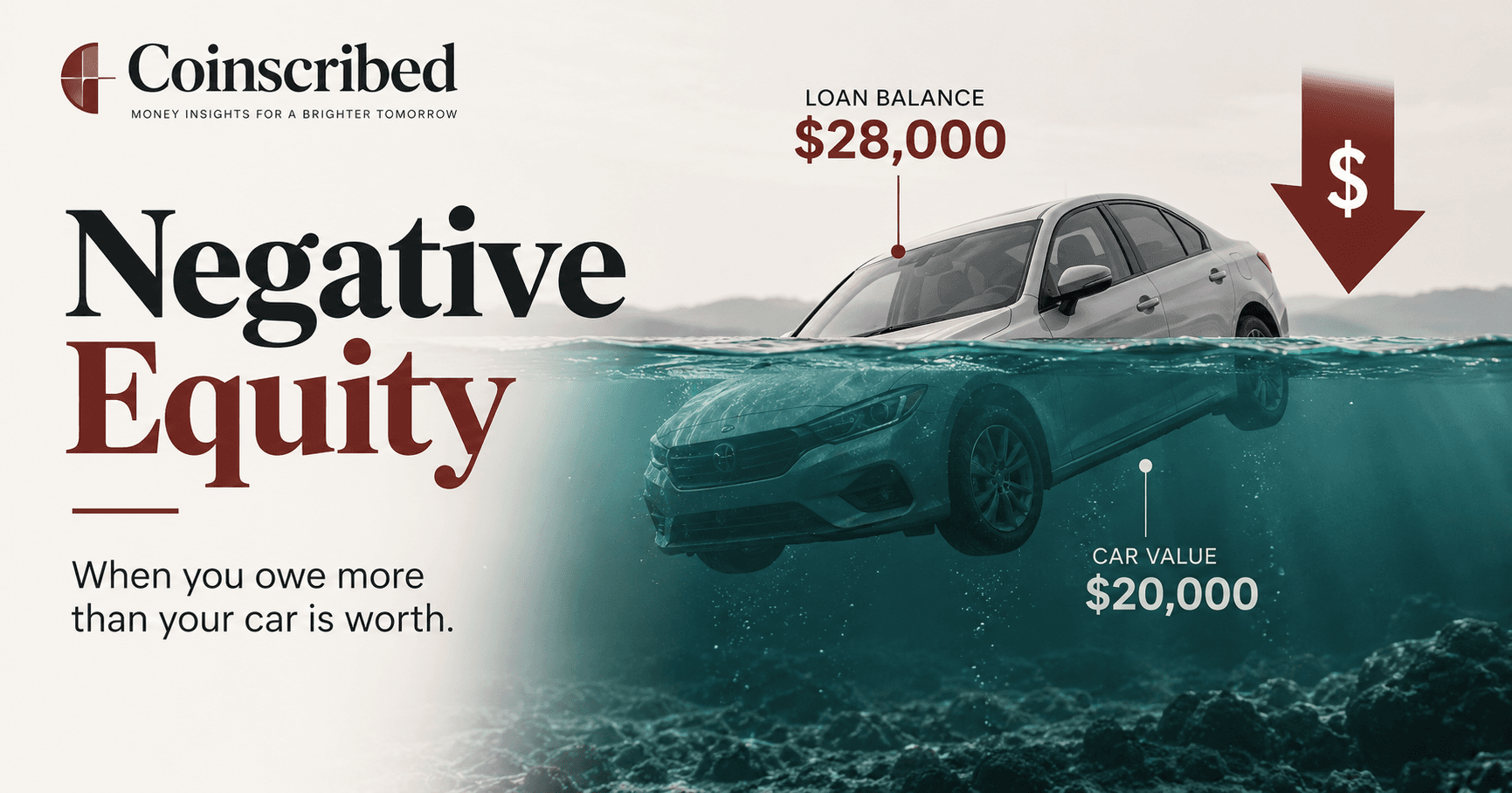
- Negative equity risk. The balloon can be larger than what the car is worth by then, leaving you upside down on the loan.
Bottom line: a balloon loan is reasonable only if you have a concrete, realistic plan to cover the final payment — not a hope that you'll "figure it out later."
What happens at the end of a balloon car loan?
When the term ends and the balloon is due, you generally have a few paths:
- Pay it off in cash — you own the car free and clear.
- Refinance the balloon into a new loan and keep making monthly payments (this restarts interest, so it costs more overall).
- Sell or trade the car and use the proceeds toward the balloon — this only works cleanly if the car is worth at least the balloon amount.
- Return the vehicle, if your agreement allows it (common with certain lease-style or manufacturer balloon programs).
Whatever route you choose, decide well before the balloon is due. If refinancing is likely, our loan payoff calculator can help you see how a new payment schedule would look.
Can you refinance or finance the balloon payment?
Yes — refinancing the balloon into a fresh loan is one of the most common ways people handle it. You essentially take out a new, smaller loan to cover the lump sum and pay it down over time. The catch is that you'll pay more interest overall and stay in debt on the car longer. Approval and rate depend on your credit and the car's current value, so the better your credit, the more affordable this option is.
Frequently asked questions
What is a balloon payment on a car?
It's a large, one-time payment due at the end of a car loan. Instead of spreading the full balance across every month, the lender defers a big portion of it to the final payment, which keeps your monthly installments lower during the term.
How does a balloon payment work on a car loan?
You pay lower monthly installments for the loan term, and then a pre-agreed lump sum (the balloon) is due at the end. You can pay it in cash, refinance it, or sell/return the car to cover it, depending on your agreement.
Are balloon car loans a good idea?
Only if you have a realistic plan to cover the balloon. They help with monthly cash flow but usually cost more in total interest and carry a higher risk of owing more than the car is worth. Without a payoff plan, they can be risky.
Do car loans usually have balloon payments?
No. Most standard car loans are fully amortized, meaning equal payments that pay the car off completely with no lump sum at the end. Balloon structures are less common and are offered by specific lenders or manufacturer finance programs.
What happens if I can't pay the balloon payment?
You typically refinance it, sell the car to cover it, or (if allowed) return the vehicle. If none of those work and you default, the lender can repossess the car, which damages your credit. That's why it's important to plan for the balloon before it's due.
Is a balloon payment the same as a down payment?
No. A down payment is money you pay upfront when you buy the car. A balloon payment is a large amount due at the end of the loan. They sit at opposite ends of the loan.
Do you pay interest on a balloon payment?
Yes. Because the balloon amount stays part of your outstanding balance throughout the term, you generally pay interest on it the whole time — which is why balloon loans often cost more in total interest than standard loans.
Get the latest finance & crypto news in your inbox
Market moves, calculators, and banking insights — a few times a week. No spam, unsubscribe anytime.