CDs, high-yield savings accounts, and money market accounts are the three safest places to grow your cash in 2026 — all FDIC-insured, all paying around 4% APY. But they are not the same. Here's exactly when each one wins, with real rates and a simple decision guide.
APR is the number that decides how much your credit card or loan really costs you. Here's what it means, what counts as a good one, and the fee trap to watch for.
The "best" high-yield savings account isn't just the one with the flashiest rate this week. Here's what actually matters — fees, minimums, FDIC insurance, and access — plus how much more your money can really earn.
APY is the number banks love to advertise on savings accounts — but what does it actually mean, and how much does a higher one really earn you? Let's break it down.
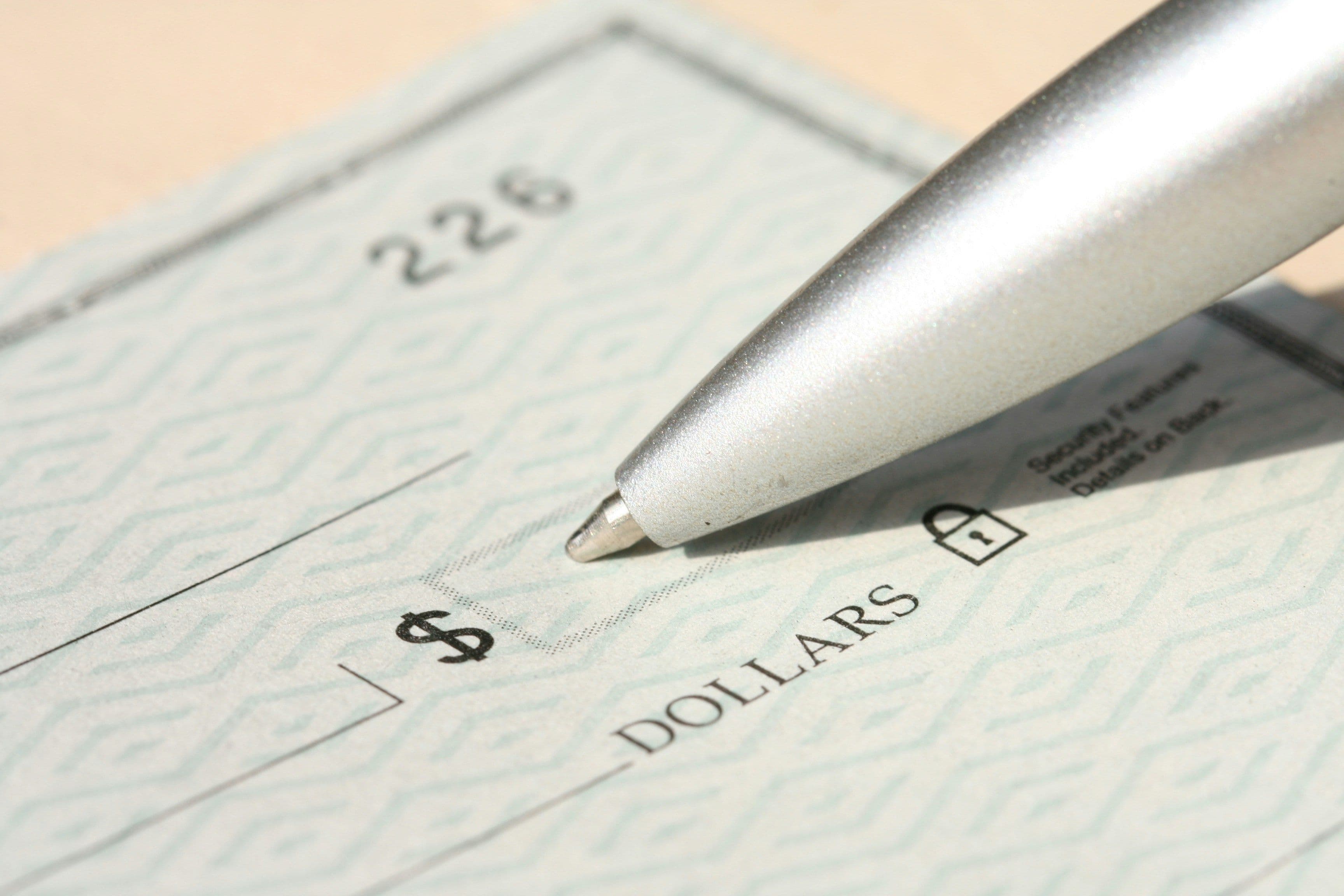
Need your routing number? Here's exactly where to find it on a check — plus how to get it without a checkbook, straight from your banking app or statement.
APR and APY look almost identical, but one shows what you earn and the other what you pay — and the gap between them can quietly cost or make you real money. Here's the difference in plain English, with examples.
A good credit score is generally 670 or higher on the standard FICO scale of 300 to 850. Here's what the ranges actually mean, the average American score, the number you need for a house or car, and how to move up.