How to Find Your Bank Routing Number on a Check (3 Easy Ways)
Need your routing number? Here's exactly where to find it on a check — plus how to get it without a checkbook, straight from your banking app or statement.
A friend recently texted me in a panic — her new employer needed her routing number for direct deposit and she couldn't find it. If you're there right now, don't worry — it takes about ten seconds once you know where to look. Your routing number is a nine-digit code that identifies the bank where you opened your account. Direct deposit, online bill pay, wire transfers, linking Venmo or PayPal they all need it. And most of the time, it's printed right on your checks. Let's find yours.
Quick Answer
- Your routing number is the first 9 digits printed in the bottom-left corner of your check.
- It comes before your account number (middle) and check number (right).
- No check handy? Find it in your banking app under account details, on a bank statement, or by calling your bank.
- Big banks use different routing numbers by state and separate ones for checks, electronic payments, and wires.
Where Is the Routing Number on a Check?
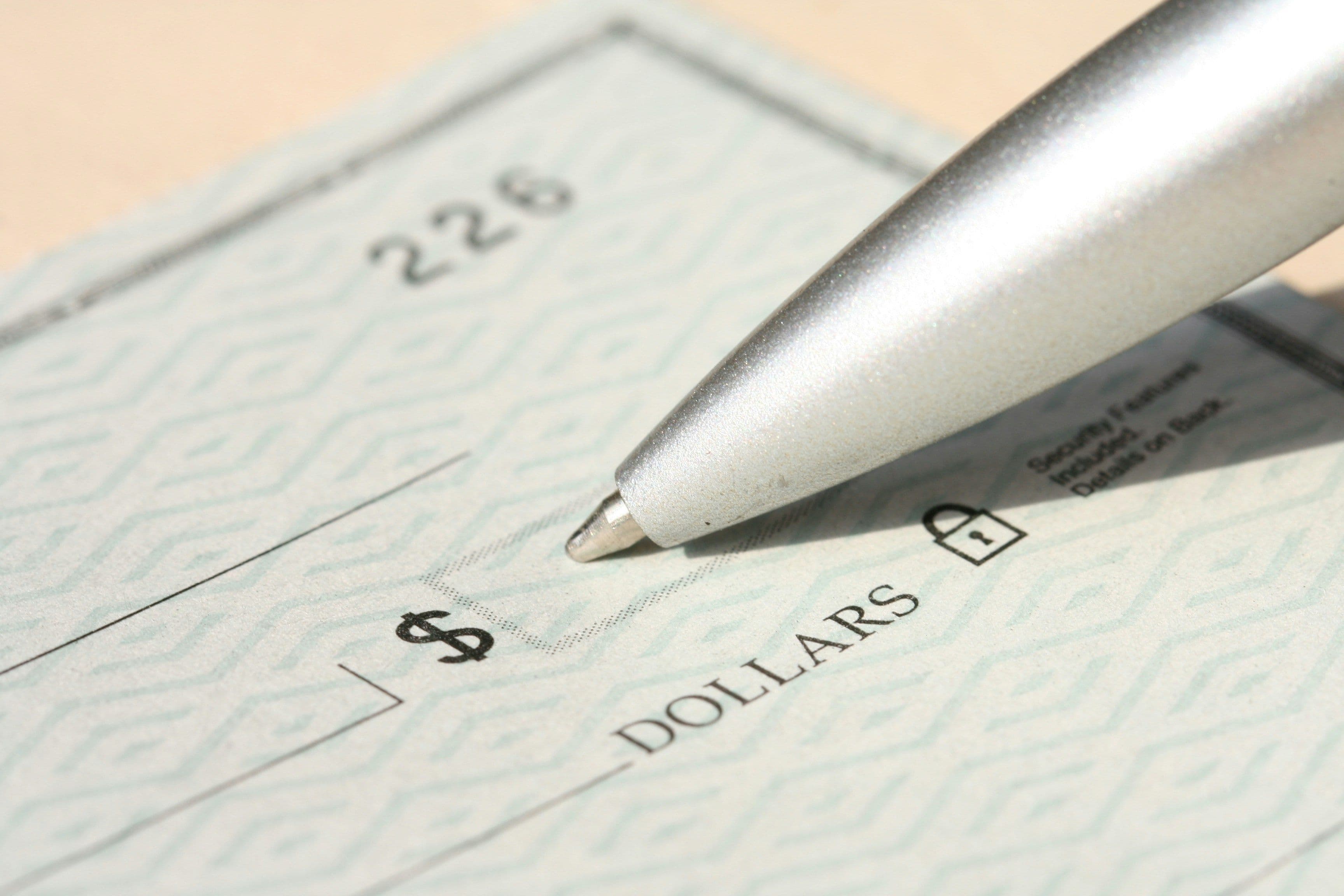
Flip a check face-up and look along the very bottom. You'll see three sets of numbers printed in that slightly odd, blocky font (it's magnetic ink — banks read it by machine). Going left to right, the first set of nine digits is your routing number. It sits in the bottom-left corner, usually tucked between two little symbols that look like this: ⑆. That's it. Nine digits. Done. That first block is the number you're after. One quick sanity check: a routing number is always exactly nine digits. If the number you're looking at is longer or shorter, you've landed on your account number or the check number instead.
Routing Number vs. Account Number: Don't Mix Them Up
This trips people up constantly, so here's the simple breakdown of those three numbers at the bottom of your check:
| Where it sits | What it is | How long |
|---|---|---|
| Bottom-left (1st) | Routing number | Exactly 9 digits |
| Bottom-middle (2nd) | Account number | Usually 8–12 digits |
| Bottom-right (3rd) | Check number | 3–4 digits |
Here's a handy trick: that third number — the check number — matches the small number printed in the top-right corner of the check. If they match, you know you're reading the line in the right order.
3 Ways to Find Your Routing Number
1. Grab a Check
The old-fashioned way is still the fastest. Any check from your checkbook will do read the first nine digits on the bottom-left, and you're done. This is the routing number you'll use for most everyday stuff like direct deposit and ACH payments.
2. No Checkbook? Check Your Banking App
Plenty of people don't keep a checkbook around anymore — I barely do. You can still get your routing number in under a minute: Open your bank's app or log in on their website Tap your checking account. Look for "Account details," "Routing & account number," or "Set up direct deposit." Every major bank puts it somewhere in here. In the Chase app it's under your account details; Bank of America and Wells Fargo tuck it under account information too. The wording changes a little bank to bank, but it's always a tap or two away. Honestly? The app method is what I use now I can't remember the last time I touched an actual checkbook."
3. Your Statement or a Quick Call
Your routing number is usually printed on your monthly bank statement, so dig up a recent one if you have it. Still stuck? Call the number on the back of your debit card, or drop by a branch — they'll confirm the exact number for your account. Worth doing if you're setting up a wire, where a wrong digit actually matters.
Why Does My Bank Have More Than One Routing Number?
This surprises a lot of people. If you bank with one of the big national chains, your routing number can depend on the state where you opened the account. So someone with a Chase account in Texas may have a different routing number than a Chase customer in New York — same bank, different code. Chase in New York uses 021000021, for example, while Texas customers get a different one entirely. Banks also hand out different routing numbers for different jobs: Checks and ACH (direct deposit, autopay), electronic transfers, and Wire transfers — often a completely different wire routing number. Use the wrong one — say, a check routing number for a wire — and the transfer can bounce back or get held up. I learned this the hard way once: used the wrong number for a wire, and it came back two days later, after I thought it had already gone through. So if you're wiring money, double-check you've got the right type.
👉 You can look up the correct routing numbers for major US banks, sorted by state, on our Bank Routing Numbers page.
Is It Safe to Give Out Your Routing Number?
Here's the thing: on its own, a routing number isn't secret — everyone who banks at your branch shares the same one, and it's published openly. So handing it over for direct deposit is totally fine. The number to guard is your account number. It's the pairing of the two routing and account that lets money move. Only share both with people and companies you actually trust, like your employer or a biller you've verified.
Frequently Asked Questions
- Where is the routing number on a check?
- It's the first group of nine digits along the bottom-left of your check, printed just before your account number. A routing number is always exactly nine digits.
- How do I find my routing number without a check?
- Open your bank's app or website and go to your checking account details the routing number is usually listed there. You can also find it on a bank statement or by calling your bank.
- How do I find my routing and account number on a check?
- Read the bottom of the check left to right: the first nine digits are the routing number, the middle group is your account number, and the last group is the check number.
- Is a routing number the same as an ABA number?
- Yes. "Routing number," "ABA routing number," and "routing transit number (RTN)" all mean the same nine-digit code that identifies your bank.
- Why does my bank have different routing numbers?
- Big banks assign routing numbers by the state where you opened your account, and use separate numbers for checks/ACH, electronic payments, and wire transfers. Always use the one your specific transaction needs.
Get the latest finance & crypto news in your inbox
Market moves, calculators, and banking insights — a few times a week. No spam, unsubscribe anytime.