What Is APY? (And Is a High APY Actually Worth It?)
APY is the number banks love to advertise on savings accounts - but what does it actually mean, and how much does a higher one really earn you? Let's break it down.
Varun Attri6 min read
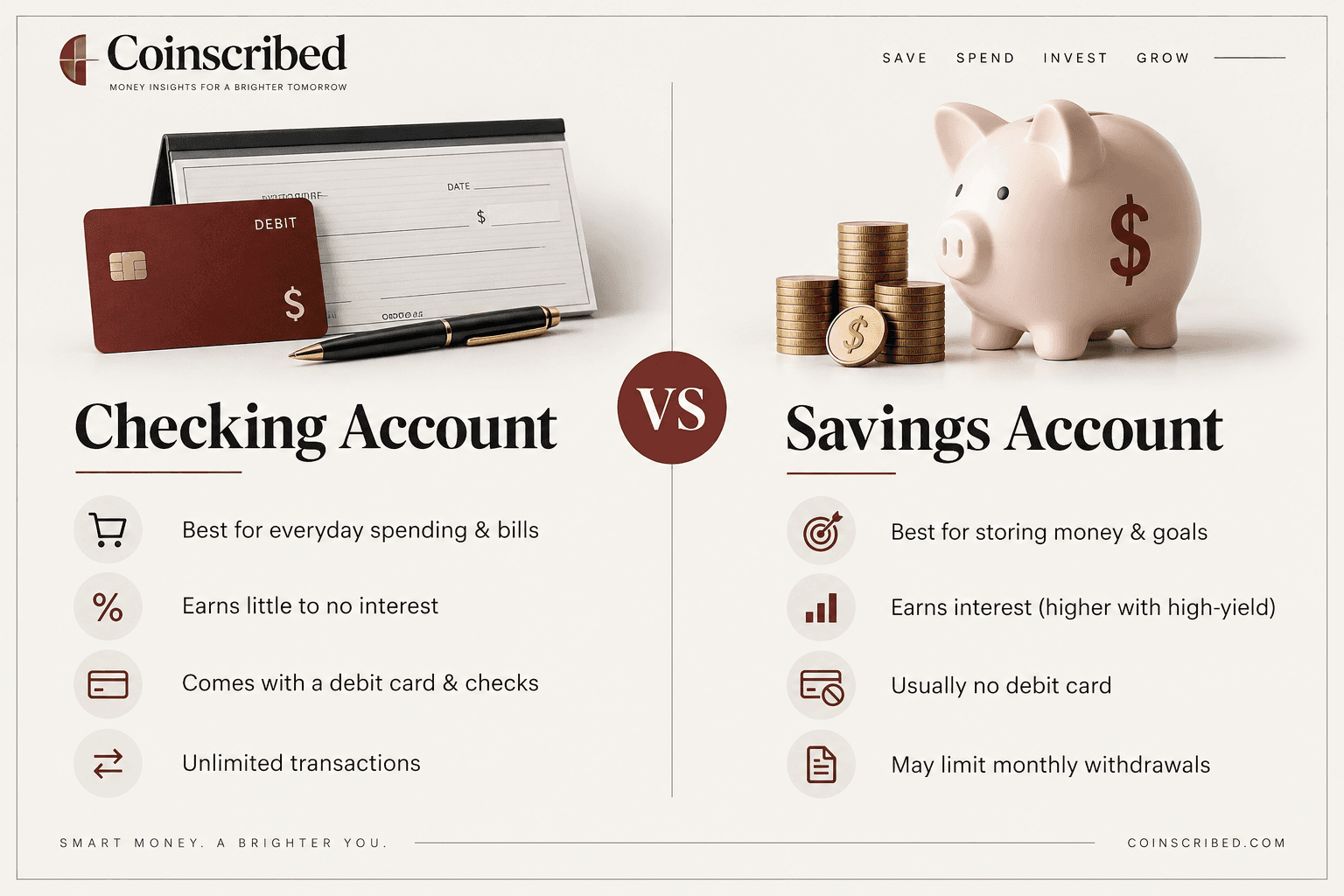
Keep the money you spend in a checking account and the money you are saving in an insured savings account, where it earns interest. The rate to compare is the APY, which includes compounding. Online high-yield savings accounts usually pay far more than the national average, CDs lock in a rate for a fixed term, and money market accounts sit in between. Deposits at an FDIC-insured bank are insured up to $250,000 per depositor, per bank, for each account ownership category.
APY includes compounding, so it is the number to compare between savings accounts. On a loan, the matching figure is the APR.
Many large banks pay close to the national average on savings, while online banks and credit unions compete with much higher rates. The safety is the same as long as the bank is FDIC-insured, or the credit union NCUA-insured.
How to Choose the Best High-Yield Savings Account (Without Chasing Rates)
Savings and money market accounts let you withdraw when you need to. A CD pays a fixed rate, but taking the money out before it matures usually costs a penalty.
CD vs High-Yield Savings vs Money Market: Which Is Best in 2026?
Three to six months of essential expenses in savings keeps a surprise bill from turning into credit card debt.
How to Build an Emergency Fund (Even If You're Starting From Zero)
APY is the number banks love to advertise on savings accounts - but what does it actually mean, and how much does a higher one really earn you? Let's break it down.
The "best" high-yield savings account isn't just the one with the flashiest rate this week. Here's what actually matters — fees, minimums, FDIC insurance, and access — plus how much more your money can really earn.
CDs, high-yield savings accounts, and money market accounts are the three safest places to grow your cash in 2026 — all FDIC-insured, all paying around 4% APY. But they are not the same. Here's exactly when each one wins, with real rates and a simple decision guide.
Not sure whether you need a checking account, a savings account, or both? Here's the simple difference between them, how each one works, and how to tell which type of account you already have.
An emergency fund is the cash cushion that keeps one bad month from turning into a financial disaster. Here's exactly how to build one - how much you need, where to keep it, and how to get there even on a tight budget.
APR and APY look almost identical, but one shows what you earn and the other what you pay — and the gap between them can quietly cost or make you real money. Here's the difference in plain English, with examples.
Simple and compound interest sound similar, but one quietly makes you far richer (or poorer) over time. Here's the difference, with real numbers.
Need your routing number? Here's exactly where to find it on a check - plus how to get it without a checkbook, straight from your banking app or statement.
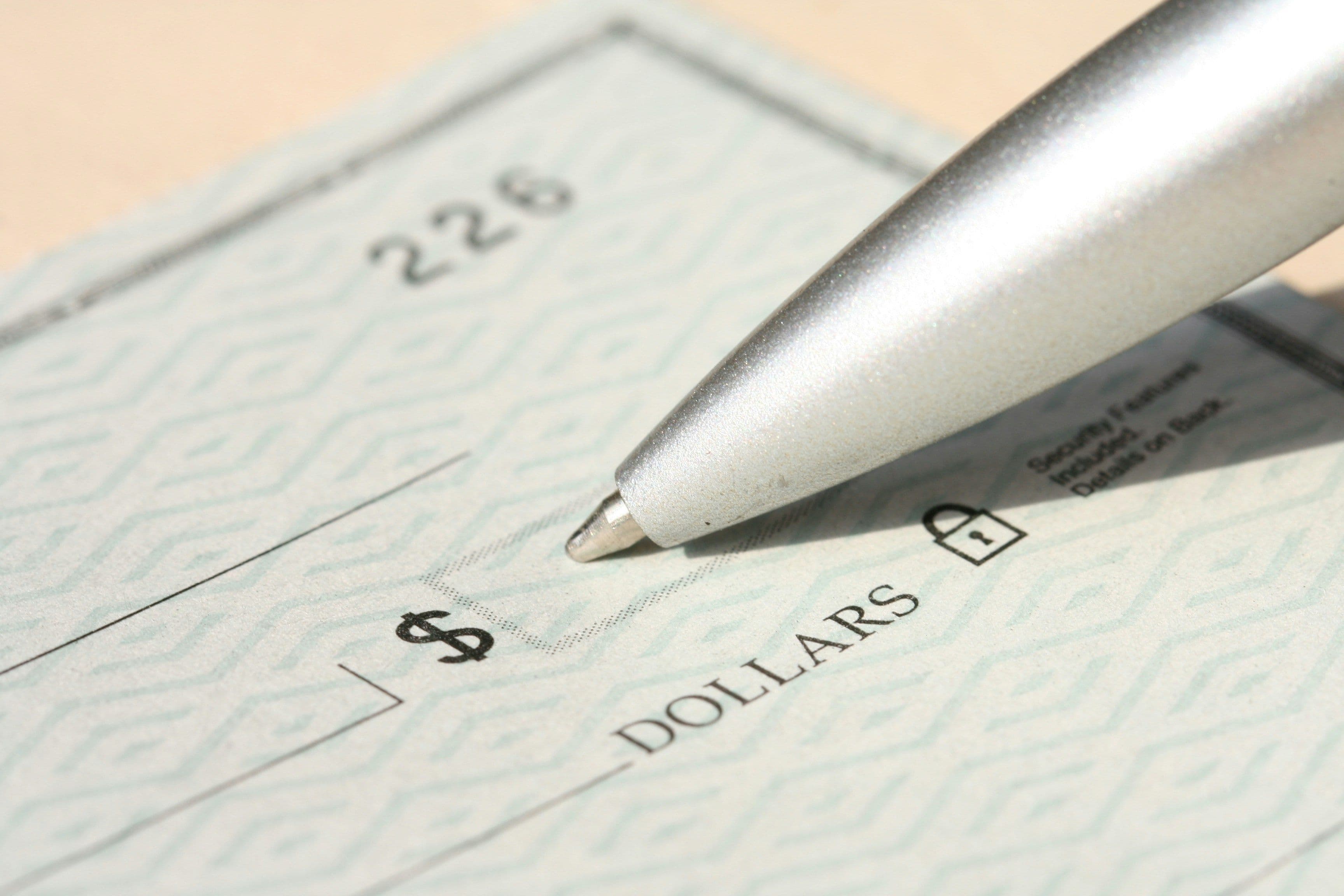
Writing a check feels old-fashioned, but you'll still need to know how. This simple step-by-step guide walks you through all six parts of a check — including how to write the amount in words, add cents, and avoid the mistakes that get checks rejected.