Top of pageSkip to content
Topic guide

Car Loans: What They Cost and How Much Car You Can Afford

A car loan is an installment loan secured by the car. You borrow the price minus your down payment and any trade-in, then repay it in fixed monthly payments of principal and interest, usually over three to seven years. Three numbers decide what it costs you: the amount financed, the APR and the term. A longer term lowers the payment and raises the total interest.

By the numbers

Key car loan figures

36 vs 84 months
+$5,058 interest
On a $30,000 loan at the same APR, the longer term lowers the payment by about $473 a month and costs this much more in total.
Source: Coinscribed Car Loan Cost Index
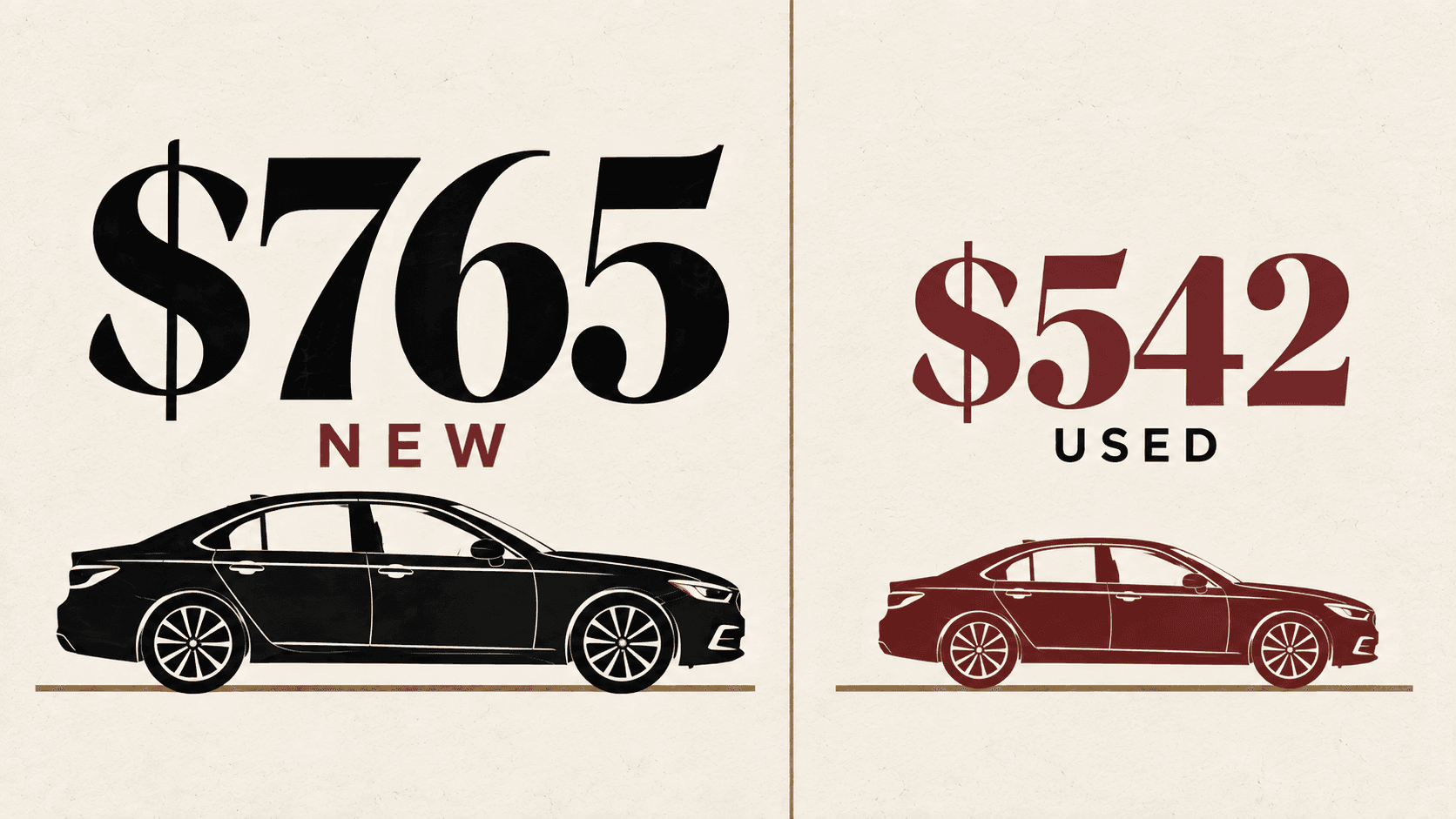
Average new-car payment
$765 a month
Q2 2026. The average used-car payment was $542.
Source: Experian, State of the Automotive Finance Market
Average new-car APR
6.35%
Q2 2026, across all credit tiers. Used-car loans averaged 11.19%.
Source: Experian, State of the Automotive Finance Market
Best vs worst credit
4.41% vs 16.11%
Average new-car APR for the highest and lowest credit tiers, Q2 2026.
Source: Experian, average car loan rates by credit score
What to know

Car Loans: the essentials

Set your budget before the dealership does

A common guideline keeps the car payment at or below 10% of gross monthly income, with all car costs under roughly 15% to 20%. Start from your income, not from the payment a lender says you qualify for.

How Much Car Can I Afford?

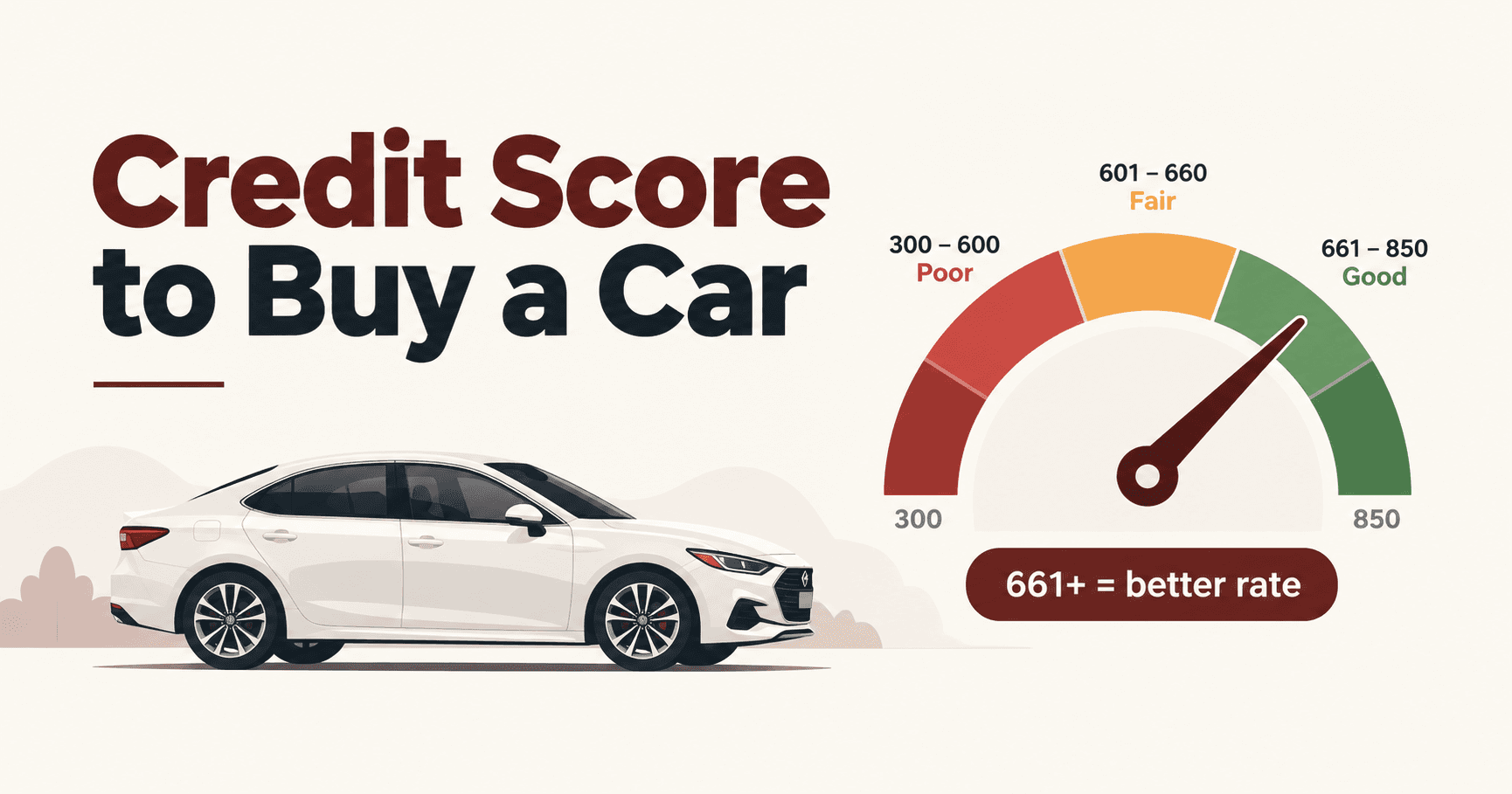
Your credit score sets the rate

Lenders price car loans by credit tier, so the same car can cost thousands more in interest with a lower score. Get a quote from a bank or credit union before you look at dealer financing.

What Credit Score Do You Need to Buy a Car?

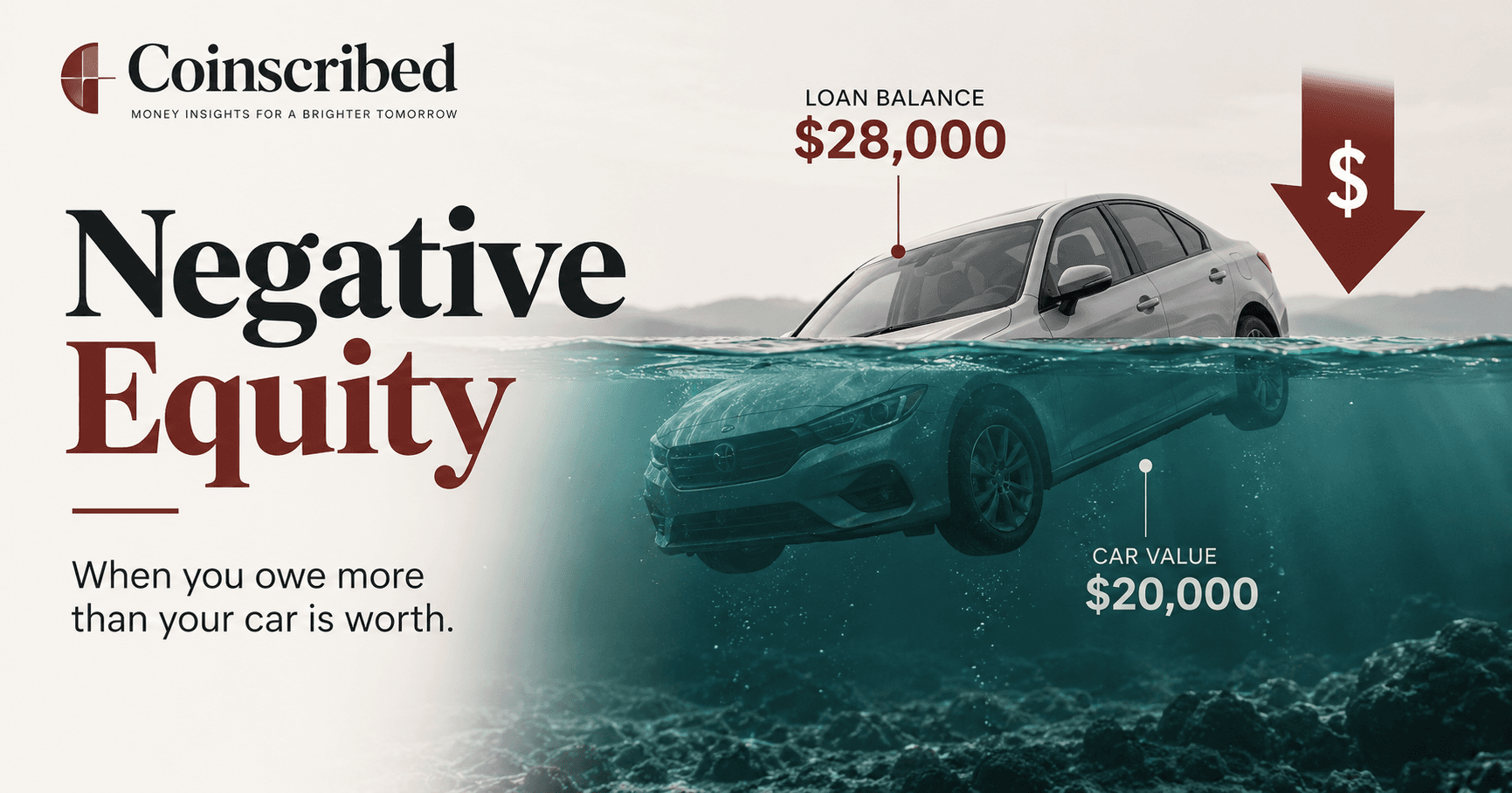
Negative equity follows you to the next car

If you owe more than the car is worth when you trade it in, the gap is usually added to the new loan. Long terms and small down payments make that far more likely.

Negative Equity Car Loan: What It Is and How to Get Out

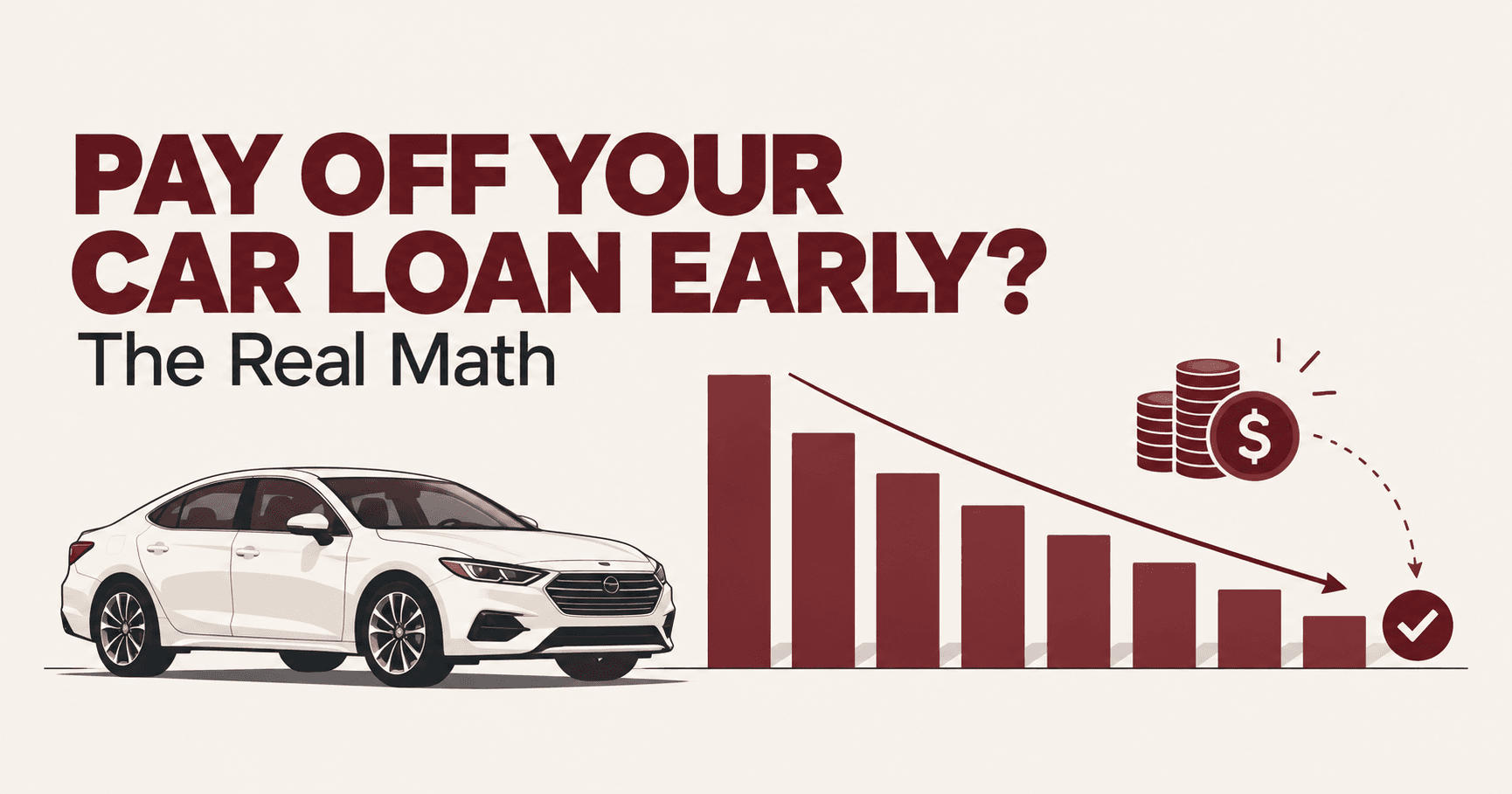
Paying early usually saves money

Extra payments go to principal and cut the interest you pay, as long as the loan has no prepayment penalty. Check the contract before you send extra.

Should You Pay Off Your Car Loan Early?

Guides

Every car loan guide

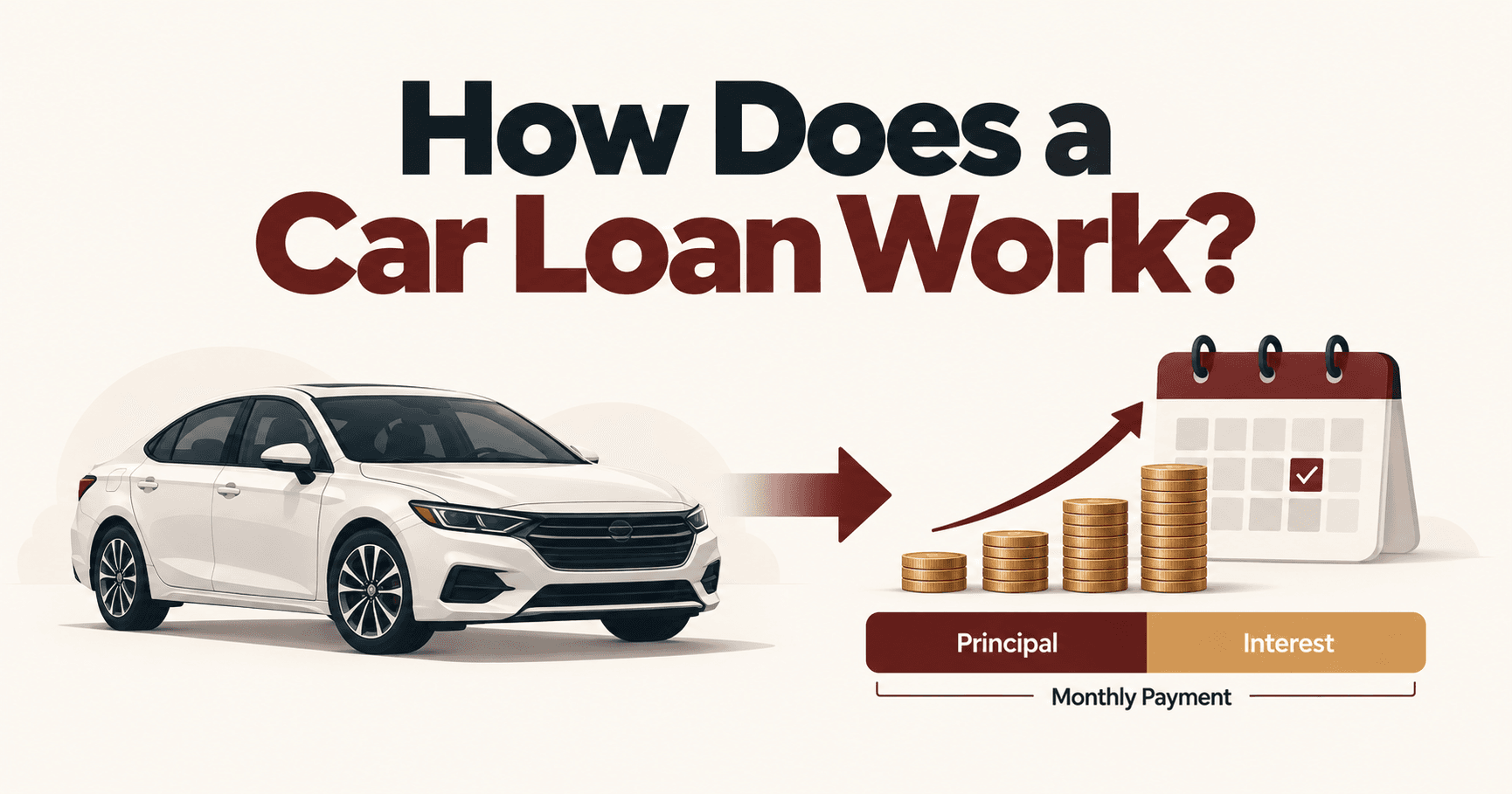
How Does a Car Loan Work? A Simple Guide

A car loan lets you buy a vehicle now and pay it back monthly, with interest. Here's exactly how car loans work - the interest, the monthly payment, the term, and what a typical payment looks like - in plain English.

Varun Attri8 min read
How Much Car Can I Afford?

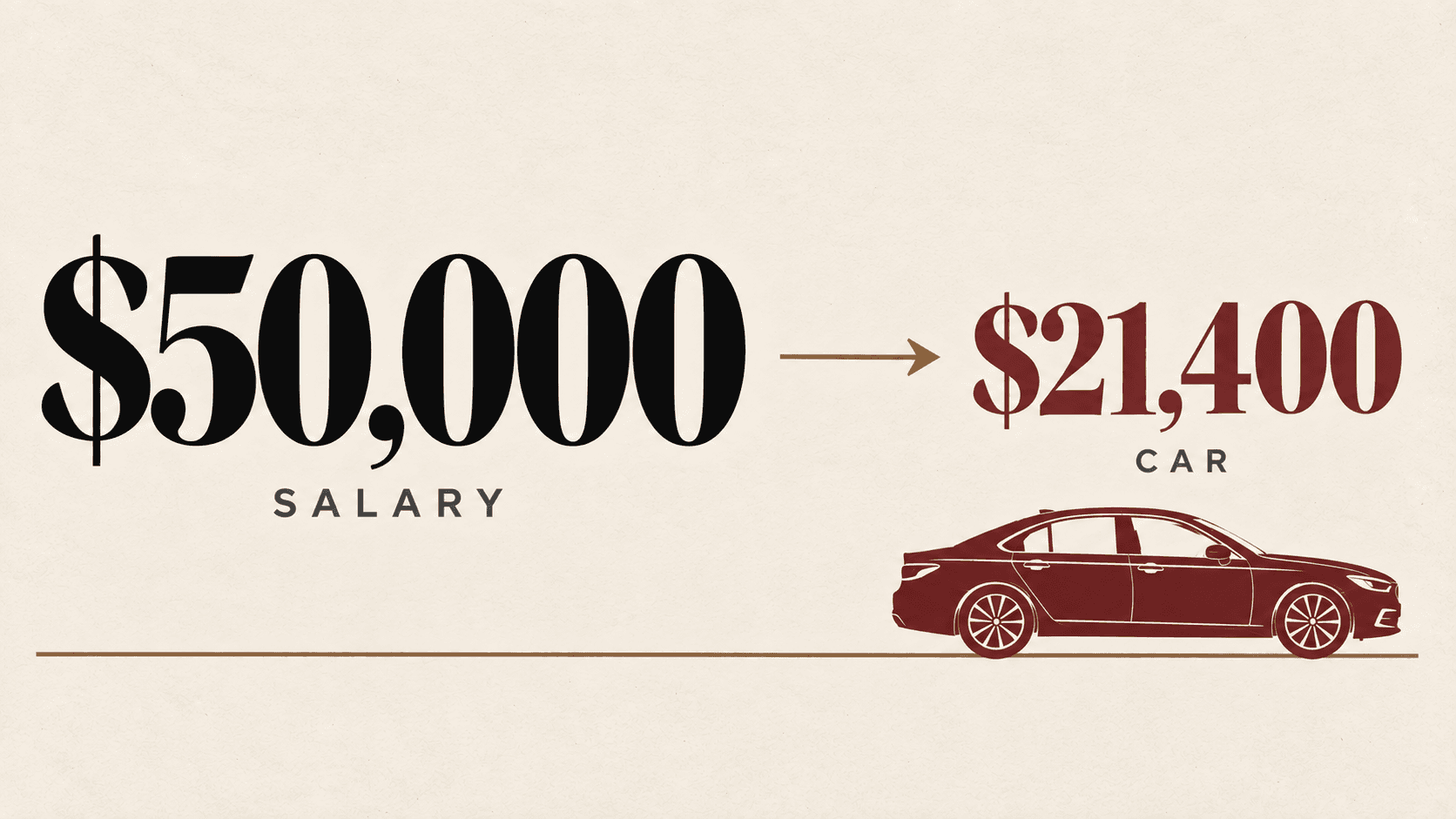
A dealer will tell you what you're approved for. That's a different question from what you can afford. Here's how to work it out from your income - including what each salary actually buys, and why the answer is usually a cheaper car than you were shown.

Varun Attri7 min read

What Is the Average Car Payment in 2026?

New car buyers are paying $765 a month on average, used car buyers $542. Here's what's driving those numbers, how your credit score changes them, and an honest answer to the question people really mean: is my own car payment too high?

Varun Attri7 min read

What Credit Score Do You Need to Buy a Car?

There's no single magic number, but most lenders want to see around 661+ for a good rate on a car loan. Here's the credit score you actually need to buy a car, the rate tiers lenders use, and how to raise your score fast before you apply.

Varun Attri9 min read

Should You Pay Off Your Car Loan Early?

Paying off a car loan early feels like the responsible move, and often it is. But not always. Here's the actual math on what early payoff saves you, the situations where it's clearly worth it, and the times your money genuinely does more good somewhere else.

Varun Attri12 min read
Glossary

Key terms

Negative equity
Negative equity means you owe more on a loan than the financed item is currently worth, a situation often described as being underwater or upside down.
Balloon payment
A balloon payment is a single large lump sum due at the end of a loan whose earlier monthly payments were deliberately kept small.
Depreciation
Depreciation is the decline in an asset’s market value over time, and for vehicles it is usually steepest in the first years of ownership.
Loan term
A loan term is the length of time over which a loan is scheduled to be repaid, commonly expressed in months or years.
Amortization
Amortization is the process of repaying a loan through scheduled payments where each payment covers the interest due plus a portion of the principal.
Refinancing
Refinancing means replacing an existing loan with a new one, typically to obtain a different interest rate, monthly payment or repayment term.