Credit Scores: How They Work and How to Improve Yours
A credit score is a three-digit number, usually on a 300 to 850 scale, that lenders use to predict how likely you are to repay what you borrow. On a FICO Score, payment history counts for 35% and amounts owed, mainly how much of your credit limits you are using, for 30%. Length of credit history makes up 15%, and new credit and credit mix 10% each. A FICO Score from 670 to 739 is considered good, and 800 or higher exceptional. To improve yours, pay every bill on time and keep card balances low: together those two factors make up 65% of a FICO Score.
A payment reported 30 or more days late can stay on your credit reports for up to seven years. Autopay for at least the minimum is the cheapest protection there is.
The share of your card limits you are using is recalculated whenever your issuers report new balances, usually once a month. Paying balances down before the statement closes can lift a score within a billing cycle or two.
The base FICO and VantageScore models both run from 300 to 850, and lenders use different versions for mortgages, cards and car loans. A free app score is a good guide, but the number a lender pulls can differ.
A good credit score is generally 670 or higher on the standard FICO scale of 300 to 850. Here's what the ranges actually mean, the average American score, the number you need for a house or car, and how to move up.
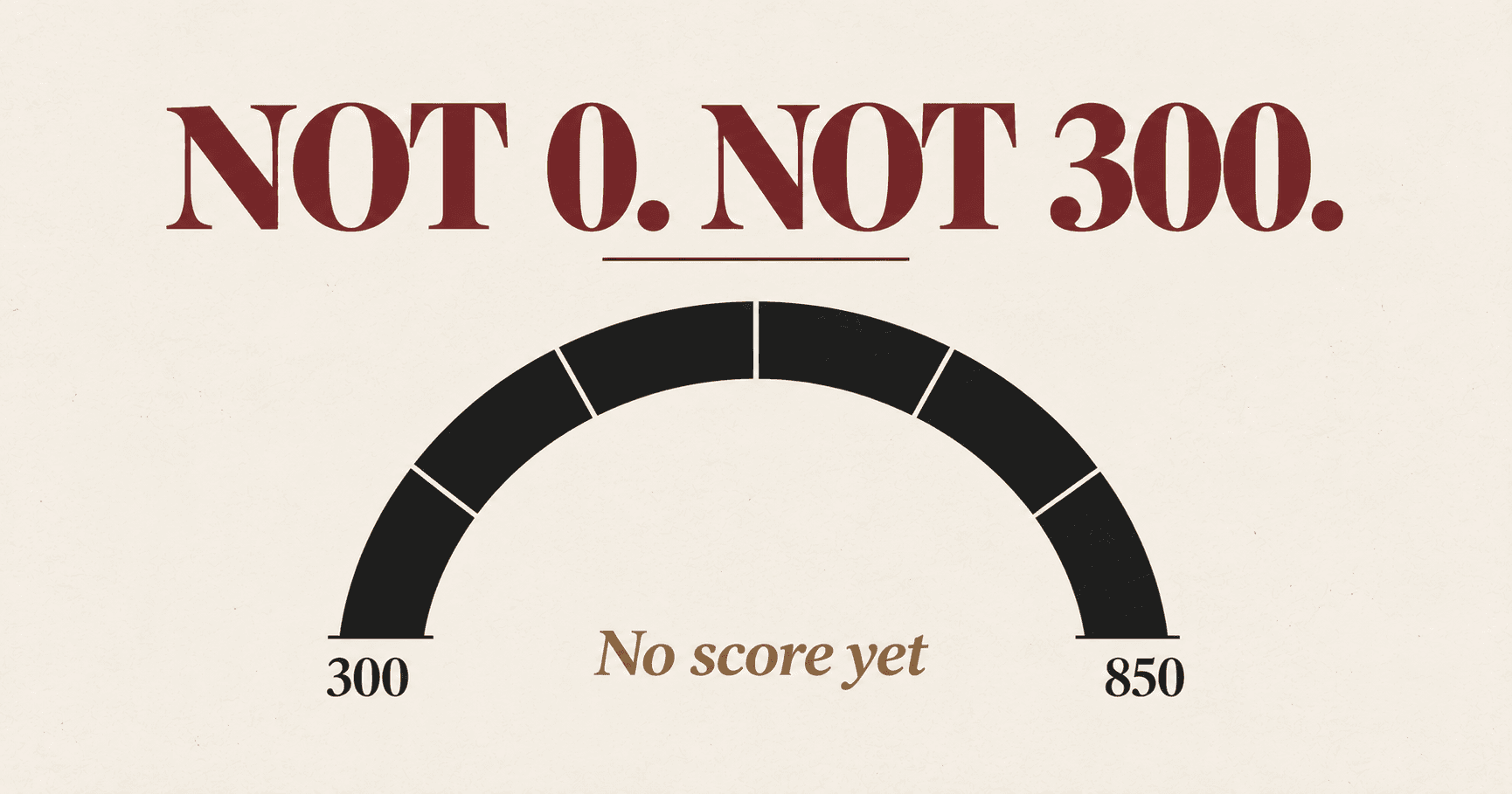
Your credit score doesn't start at zero - or at 300. With no credit history you have no score at all, and about one in ten US adults has a credit file that still can't be scored. Here's when your first score appears, where it lands, and how to build it.
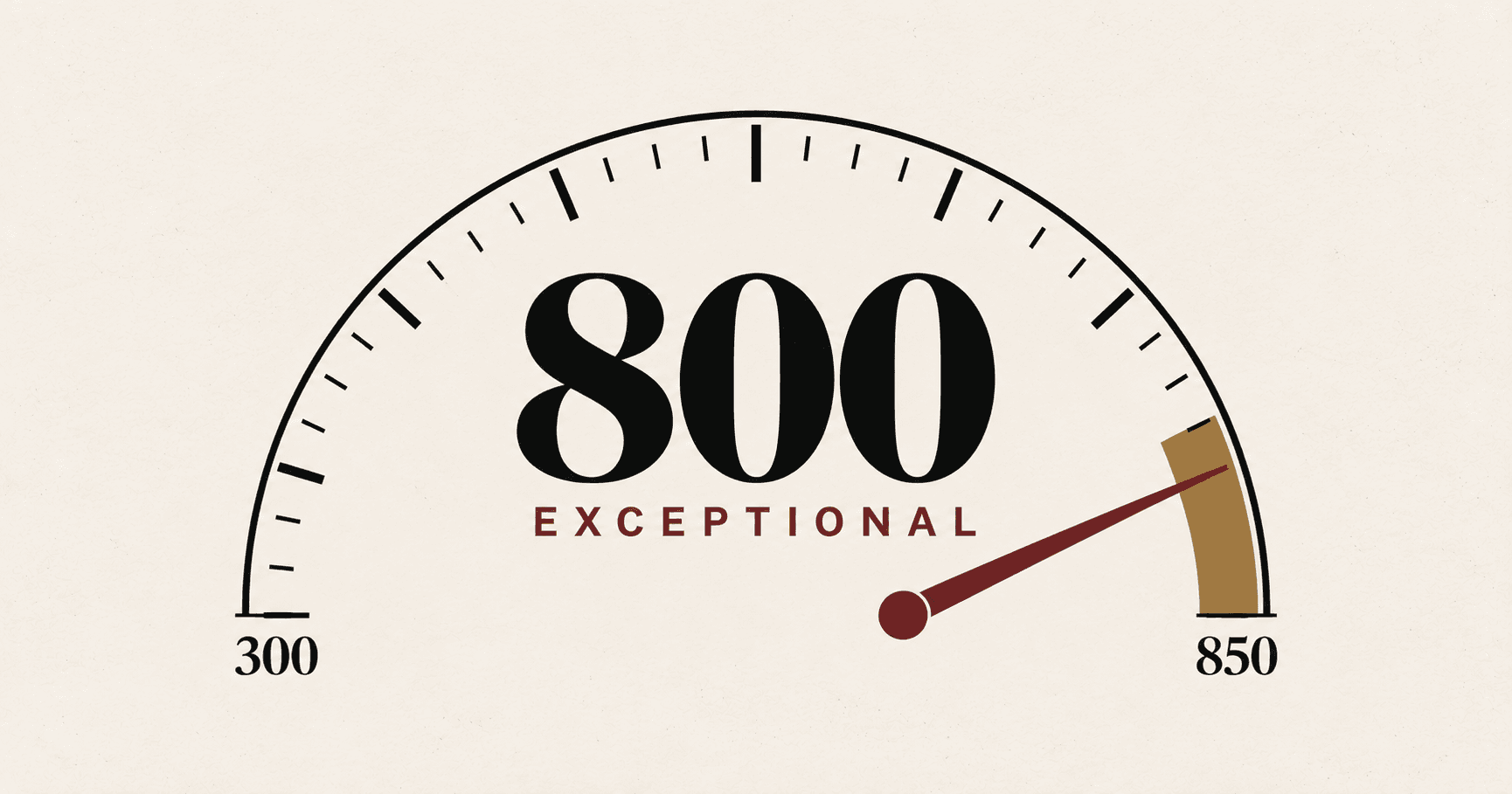
An 800 credit score is exceptional, and nearly one in four Americans has one. Here's what it actually gets you on car loans, personal loans and mortgages, why the best rates often start near 780, and the habits that get you to 800 and keep you there.
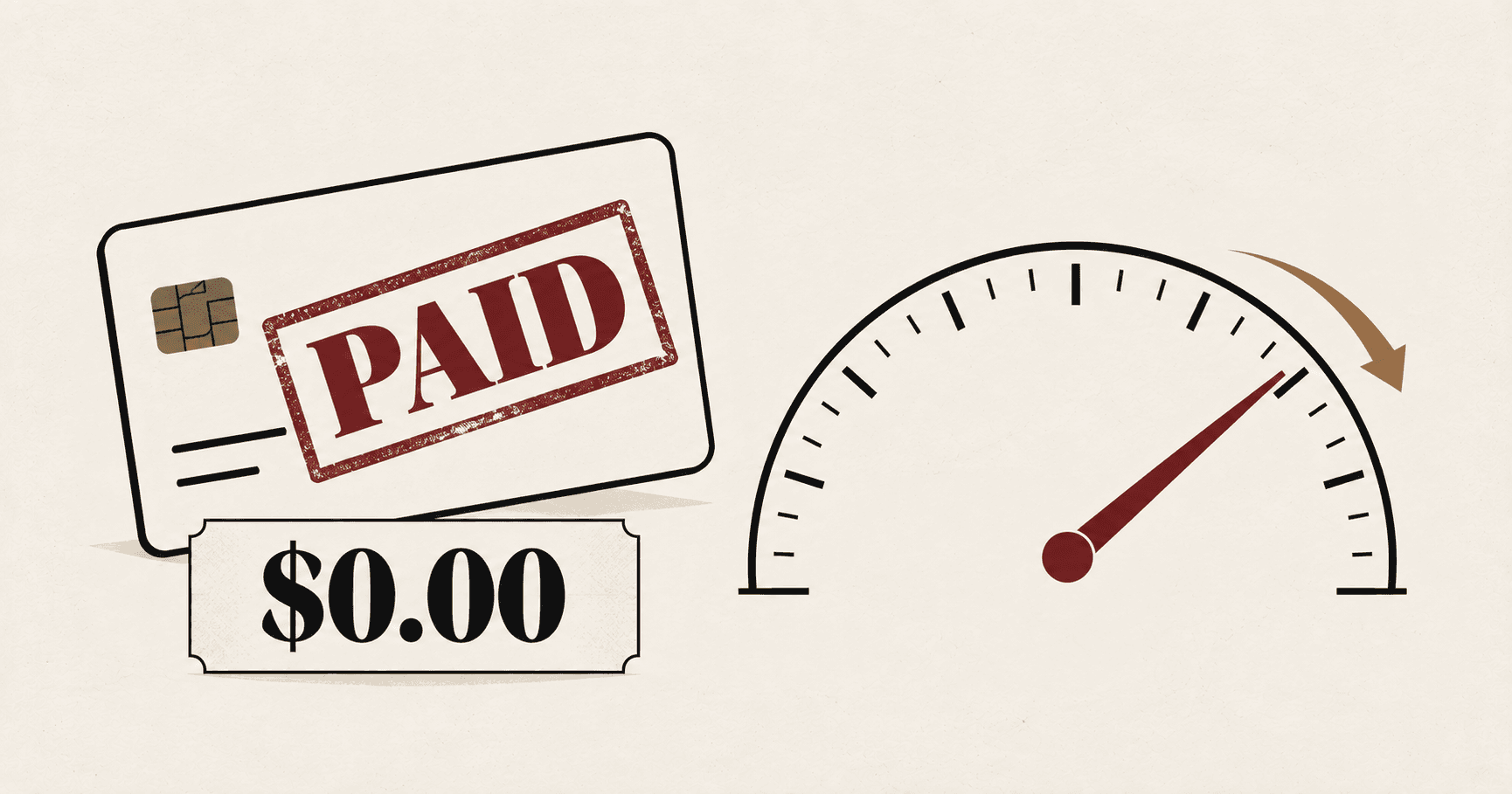
Paying off a credit card usually raises your credit score, but not always right away, and not always by as much as you hope. Here's how much it can move, how long it takes, which balance to pay, and the mistakes that make a score drop after a payoff.
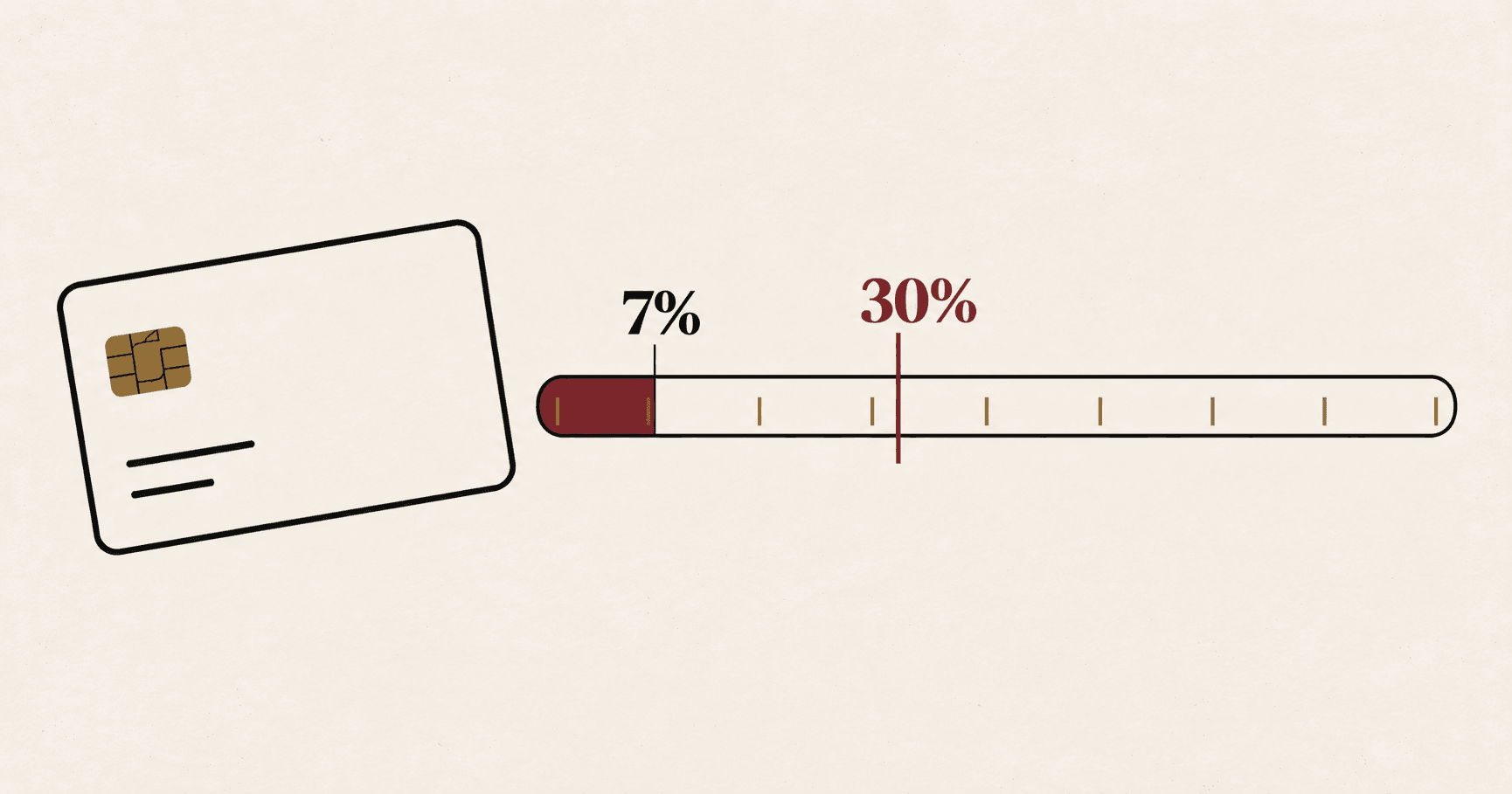
The usual advice is to keep credit card balances under 30% of your limits, but people with 800-plus scores average just 7%. Here's how credit utilization is calculated per card and overall, what to use on any limit, and how to lower the balance your issuer reports.
A credit score is a three-digit number, most commonly on a 300 to 850 scale, that summarises how likely you are to repay borrowed money based on your credit history.
Credit utilization is the share of your available revolving credit that you are currently using, calculated as your balances divided by your total credit limits.