Does Paying Off a Credit Card Increase Your Credit Score?
Paying off a credit card usually raises your credit score, but not always right away, and not always by as much as you hope. Here's how much it can move, how long it takes, which balance to pay, and the mistakes that make a score drop after a payoff.
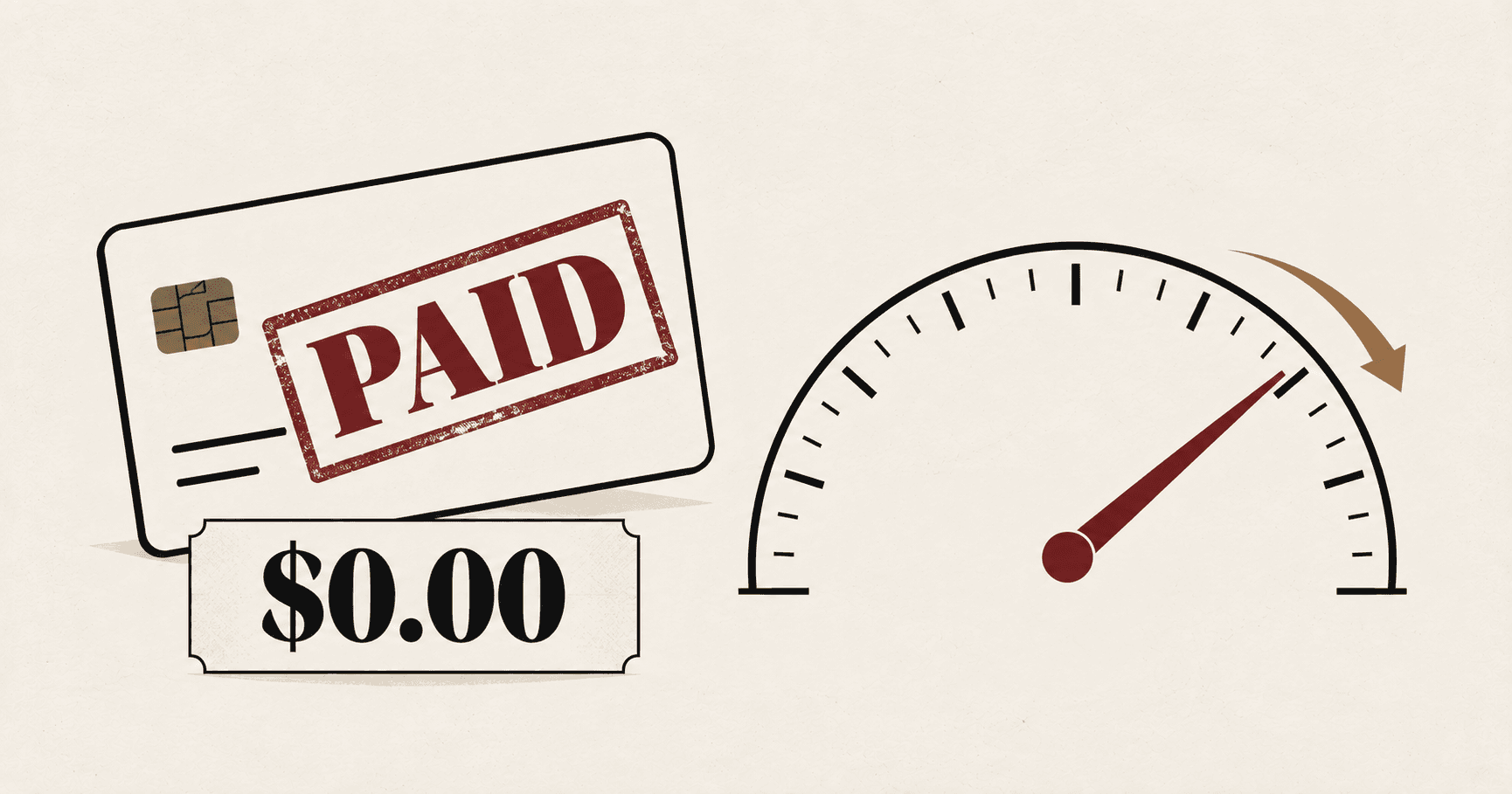
Short answer: Usually, yes. Paying off a credit card lowers your credit utilization, the share of your card limits you're using, and that's one of the heaviest factors in your score. Most scores respond once the card issuer reports the lower balance, typically within one to two months. How much your score rises depends on how high the balance was, and closing the card afterward can undo part of the gain.
You finally sent the last payment. The app says $0.00, you open your credit score expecting a nice jump, and nothing happens. Maybe it even dropped a few points.
It's one of the most common frustrations in personal finance, and it almost always has a boring explanation: timing, a closed account, or something else on your report moving at the same moment. Here's how paying off a card actually affects your score, how much and how fast it can move, and the handful of mistakes that make people think paying off debt hurt them.
Does paying off a credit card increase your credit score?
In most cases, yes, and the reason is credit utilization. Scoring models compare your card balances with your credit limits. FICO counts "amounts owed" as 30% of your score, and for most people the utilization on their cards is the biggest piece of that. Owe $4,000 on $10,000 of limits and you're at 40%. Pay it off and that card shows 0%.
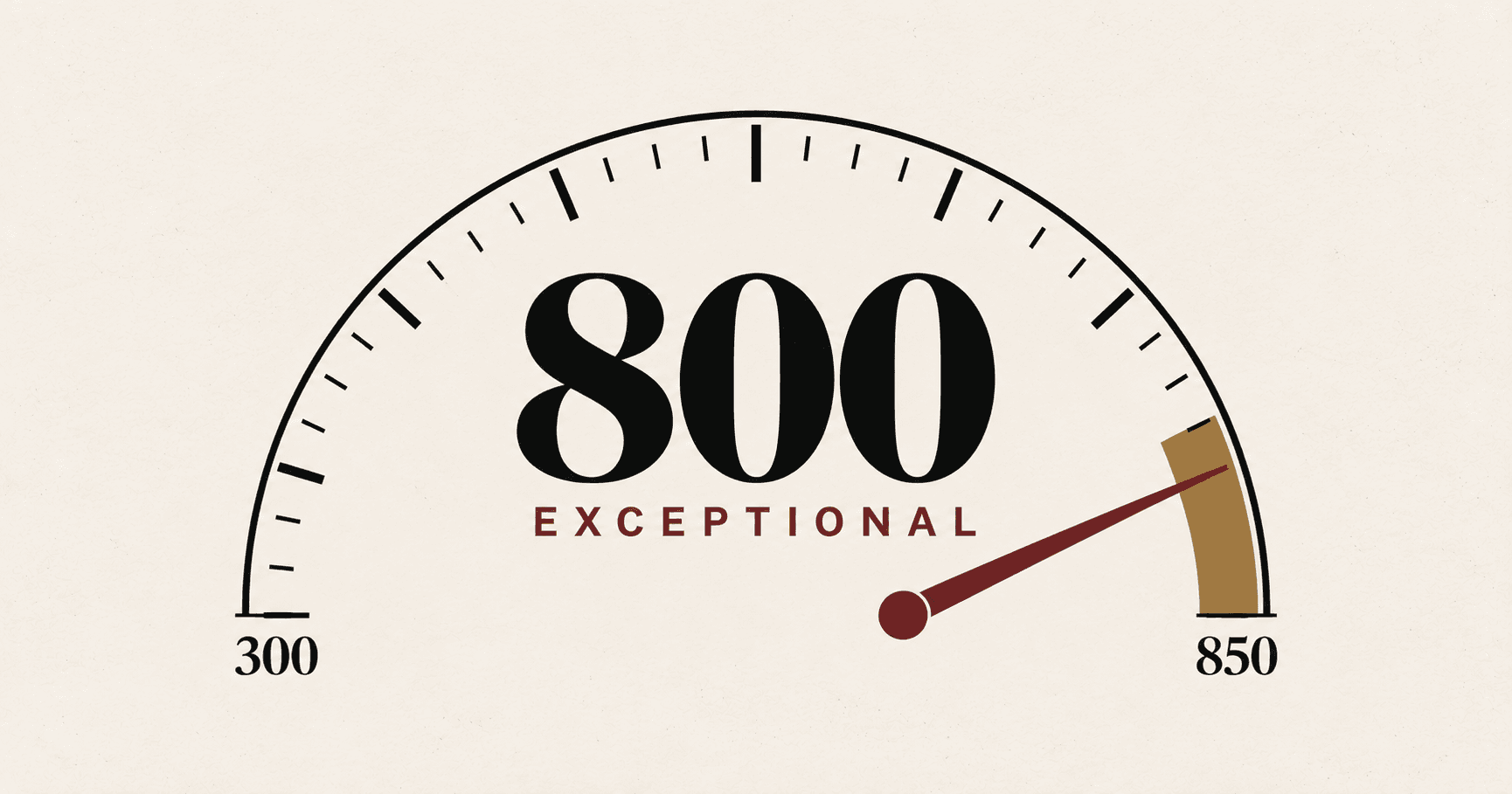
The numbers get specific quickly. If you have $20,000 in total limits and $8,000 in balances, you're at 40%. Pay off $6,000 and you drop to 10%, and Experian notes that people with the highest scores tend to stay under that. In its June 2026 data, the average consumer used 29% of their card limits, while people with 800-plus credit scores used just 7%.
Two things paying off a card does not do:
- It doesn't erase late payments. If the card was ever 30 days past due, that stays in your payment history for up to seven years, paid off or not.
- It doesn't lock in a permanent gain. Most FICO Scores look only at the balances most recently reported, so a lower balance helps fast, and a high balance next month counts against you just as fast. Newer models such as FICO Score 10T and VantageScore 4.0 also read up to 24 months of balance trends, so paying down steadily can count there too. That's worth knowing now that Fannie Mae and Freddie Mac lenders can use VantageScore 4.0 for mortgages.
How much will my credit score go up if I pay off my credit card?
Nobody can give you an exact number, because it depends on the rest of your file. The best public benchmark comes from FICO's own simulation, which ran the same moves on two very different credit profiles:
| FICO simulation | Profile A | Profile B |
|---|---|---|
| Starting FICO® Score 9 | 607 | 793 |
| Card utilization | 67% | 12% |
| Past problems | A 30-day late payment in the past year and a charge-off in the past two years | None |
| After paying balances down 25% | 615–635 | 795–815 |
| After maxing out cards | 560–580 | 665–685 |
A 25% paydown lifted both profiles by roughly 2 to 28 points. The more telling number is in the last row: maxing out cards cost the strong profile more than 100 points. Run that in reverse and you've found the situation where paying off a card makes a dramatic difference, which is when your cards are at or near their limits.
Profile A also shows the ceiling. FICO noted that its recent late payment and charge-off limit how far that score can climb in the near future. Paying down balances fixes utilization. It can't fix history.
Related: What is a good credit score? The full range chart
How long after paying off a credit card will my score go up?
Usually one to two months. Your score can't change until the card issuer tells the credit bureaus about the new balance, and most issuers report once a month, around the end of your billing cycle. Experian says it can take 30 to 45 days from your payoff until the change appears on your credit report.
Here's how that plays out. Say your statement closes on the 30th and you pay the card off on the 10th. The bureaus won't hear about it until that statement closes about three weeks later. Your score then updates the next time it's calculated, which is whenever a lender, card issuer or app pulls it.
Applying for a mortgage soon? Ask the lender about a rapid rescore. Mortgage lenders can often request one to get a newly paid balance onto your reports within days instead of weeks. It isn't something you can order yourself.
Statement balance vs. current balance: which should you pay?
Your statement balance is what you owed when your last billing cycle closed. Your current balance is what you owe right now, including anything you've charged since. Each one has its own job:
- To avoid interest, pay the statement balance in full by the due date. That keeps your grace period, so new purchases don't start collecting interest.
- To lower the balance the bureaus see, pay before the statement closes. Issuers generally report the statement balance, so a payment that lands a few days before the closing date shrinks the number on your credit report.
This is where most people get tripped up. Say you charge $2,400 a month on an $8,000 limit and pay every bill in full. You've never paid a cent of interest, but your credit report shows 30% utilization every month, because the balance is reported before you pay it. Move one payment to a few days before the statement date and the reported number drops, with no change to your spending at all.
Should you pay off your credit card in full or leave a balance?
Pay it in full. Carrying a balance from month to month doesn't help your score, and it costs real money. The myth is stubborn, though: FICO cites a 2023 U.S. News survey in which 48% of people believed carrying a balance improves your credit score.
The cost isn't small. Card accounts that paid interest averaged a 22.15% APR in the second quarter of 2026, according to the Federal Reserve. At that rate, carrying $2,000 costs about $37 a month in interest, for no score benefit at all. And once you carry a balance, many cards start charging interest on new purchases right away, too.
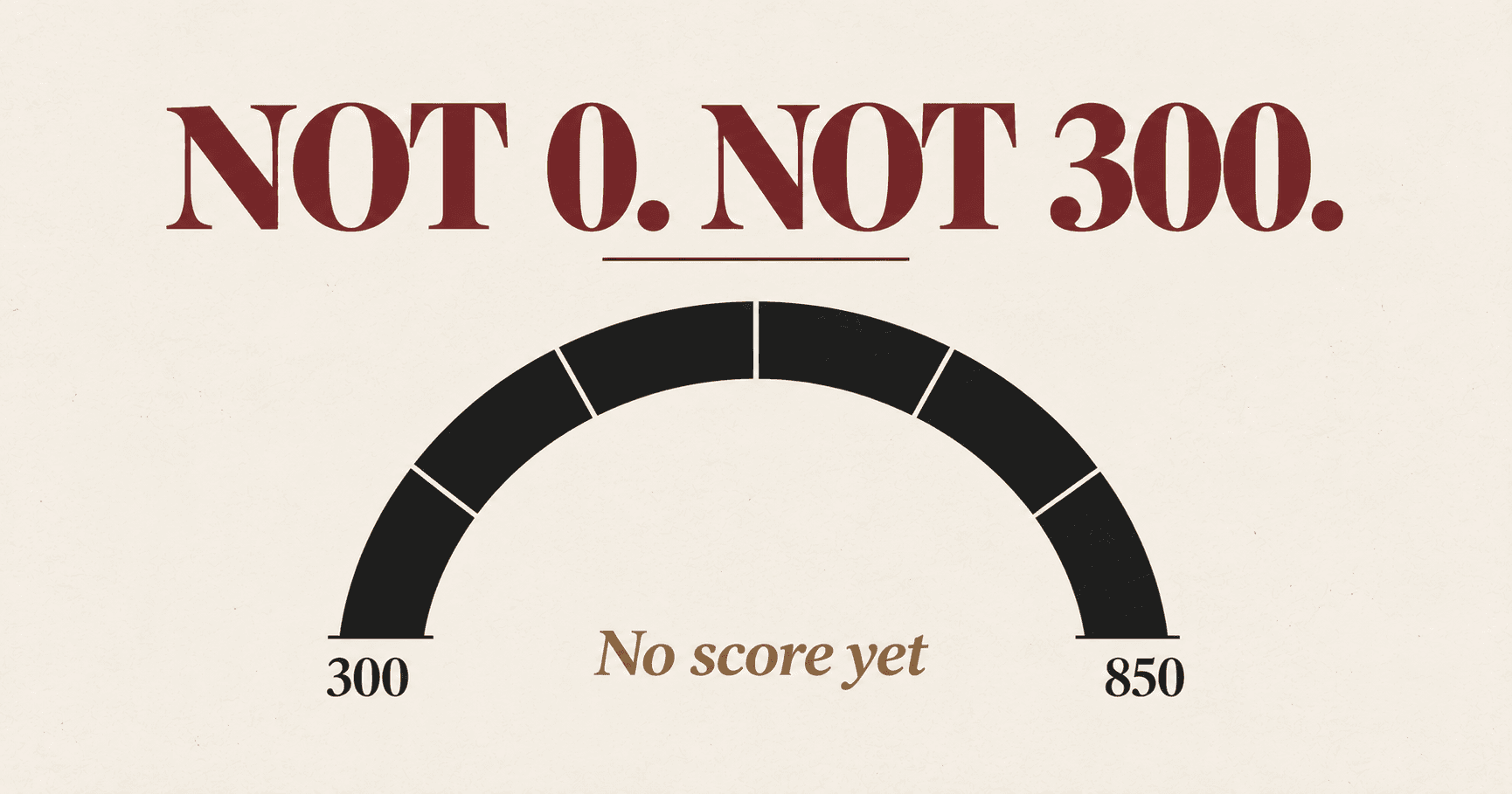
There is one small nuance, and FICO has written about it directly. A $0 balance isn't penalized, and you can have a strong score at zero. But a small reported balance can score a little better, because a zero shows no current activity for the score to reward. That's not a reason to carry debt. Let a small balance show on your statement, then pay the full statement balance by the due date. You get the edge and pay no interest.
Does paying the minimum payment hurt your credit score?
Not directly. A minimum payment made on time counts as on time, so your payment history stays clean. The damage is indirect: your balance barely moves, so your utilization stays high, and interest keeps building on what's left.
Here's what that looks like on a $5,000 balance:
| Monthly payment | Time to pay off $5,000 | Total interest |
|---|---|---|
| Minimum only (interest plus 1% of the balance, starting near $142) | About 16 years | About $7,730 |
| $200 | 34 months | About $1,770 |
| $300 | 21 months | About $1,030 |
| $500 | 12 months | About $580 |
Your statement shows a version of this too, because card issuers must print how long it would take to pay off the balance with minimum payments only. To see your own timeline, try our credit card payoff calculator. If you have balances on several cards, our guide to paying off credit card debt walks through which one to tackle first.
Why did my credit score drop after paying off my credit card?
If your score fell after a payoff, it's almost always one of these:
- You closed the card. Closing it removes its limit from your available credit, which can push up utilization on your other cards. More on that below.
- Every card now reports $0. As FICO explains, a small reported balance can score slightly better than none. This reverses once a card reports a small balance again.
- Something else changed the same month. A new hard inquiry, a new account, a higher balance on another card or a late payment somewhere else can outweigh the payoff while you wait for it to report. A single hard inquiry typically costs less than five points, according to Experian.
- You paid off a loan, not a card. Paying off an installment loan, like a car loan, can cause a small, temporary dip because an active account closes. We explain why in should you pay off your car loan early.
- There's an error. A payment reported late by mistake, or a balance that never updated. Check your reports for free at AnnualCreditReport.com and dispute anything wrong with the bureau that reports it.
Should you close a credit card after paying it off?
Usually not. Experian gives a clean example: three cards with $12,000 in combined limits and $1,500 in balances is 12.5% utilization. Pay off and close one card, leaving $4,000 in limits, and the same $1,500 is now 37.5%. You paid off debt, and your utilization tripled.
A card closed in good standing stays on your credit report for up to 10 years, and its on-time history keeps counting in that time. But the lost limit hits your utilization right away.
There are fair reasons to close one: an annual fee you don't want to pay, or a card that keeps pulling you back into debt. For the fee, first ask the issuer to switch you to a no-fee card from the same family, which usually keeps the account and its history open. If the card itself is the temptation, closing it can be the right call. A few points is a fair price for not rebuilding the balance.
Does not using a credit card hurt your credit?
Not directly. An open card with a $0 balance still adds its limit to your available credit, which helps your utilization. The risk is that issuers can close cards that sit unused for too long, and then you lose that limit anyway. FICO also points out that a card reporting $0 month after month shows no current activity.
The fix is simple, and it's the one FICO suggests: put one small recurring charge on the card, like a streaming subscription, and set autopay to pay the full balance.
Does paying off a charged-off card or collection help?
It depends on the scoring model, which is frustrating but true. A charged-off card stays on your report for about seven years whether you pay it or not. Paying it updates the account to show it's been paid, and lenders generally view that more favorably than an unpaid debt. If the debt has been sold to a collection agency, you'll need to pay the collector, because paying the original card issuer won't update the collection account. How a paid collection affects your score, according to Experian:
| Scoring model | Paid collections |
|---|---|
| FICO® Score 8 | Still count against you if the debt was $100 or more |
| FICO® Score 9 and 10 | Ignored once paid |
| VantageScore 3.0 and 4.0 | Ignored once paid |
So paying a collection can raise some of your scores right away and leave others unchanged. You won't always know which model a lender uses, which is one more reason to clear the debt properly and keep proof that you paid.
Related: How much of your credit limit you should use
The bottom line
Paying off a credit card is one of the few moves that can lift your score within a month or two, because utilization responds as soon as the new balance is reported. Pay in full, time a payment before the statement date if you want the reported balance lower, keep the card open and give it one small recurring charge. If your score didn't move, give it a billing cycle. If it dropped, check whether you closed the card or something else changed.
Our take: pay the card off for the interest, not for the score. At 22.15% the balance is costing you real money every month, and that is reason enough on its own. The score bump is a side effect, it arrives on the issuer's reporting schedule rather than yours, and the size of it depends on a file you cannot see.
So we would not hold money back waiting for the right moment to pay, and we would not pay a balance down in careful slices to manage the number. Clear it, keep the card, and let the score catch up on its own.
Curious where these habits lead? Here's what an 800 credit score actually gets you. For quick definitions, see credit utilization and APR in our glossary.
Frequently Asked Questions
- Does paying off a credit card increase your credit score?
- Usually, yes. Paying off a card lowers your credit utilization, a major part of the 30% "amounts owed" factor in a FICO Score, and most scores reflect the lower balance once the issuer reports it, typically within one to two months. It won't remove late payments already on your report.
- How many points will my credit score go up if I pay off my credit card?
- It depends on your starting balances and the rest of your credit file. In a FICO simulation, paying card balances down by 25% raised two sample profiles by roughly 2 to 28 points. The biggest gains usually come from paying down cards that are at or near their limits.
- How long does it take for your credit score to go up after paying off a credit card?
- Usually one to two months. Card issuers typically report balances to the credit bureaus once a month, at the end of the billing cycle, and Experian says it can take 30 to 45 days for a payoff to show up on your credit report.
- Is it better to pay off a credit card in full or leave a small balance?
- Pay in full. Carrying a balance from month to month doesn't help your score and costs interest. If you want the small edge FICO describes, let a low balance appear on your statement, then pay the full statement balance by the due date so you owe no interest.
- Should I close my credit card after paying it off?
- Usually not. Closing a card removes its limit from your available credit, which can push your utilization up. A card closed in good standing stays on your report for up to 10 years, but the lost limit affects your score right away.
- Why did my credit score go down after I paid off my credit card?
- The most common reasons are closing the card, every card reporting a $0 balance, or another change in the same month, such as a new inquiry, a new account or a higher balance elsewhere. Paying off an installment loan, like a car loan, can also cause a small, temporary dip.
- Does paying only the minimum on a credit card hurt your credit?
- Not directly, as long as you pay on time. But your balance stays high, which keeps utilization high, and interest keeps building. At a 22.15% APR, paying only the minimum on $5,000 could take about 16 years and cost roughly $7,730 in interest.
- Will paying off a collection account raise my credit score?
- It depends on the scoring model. FICO Score 9 and 10 and VantageScore 3.0 and 4.0 ignore paid collections, so paying can help those scores. FICO Score 8 still counts a collection of $100 or more even after it's paid.
Sources
- FICO's own simulation (myfico.com)
- FICO cites a 2023 U.S. News survey (myfico.com)
- Federal Reserve (federalreserve.gov)
- written about it directly (myfico.com)
- Experian (experian.com)
Get new money guides and tools in your inbox
New guides, calculators and data studies when they publish. No spam, unsubscribe anytime.